Winter in the North Hills of Pittsburgh is no joke. From snowstorms and ice dams to freezing rain and wind gusts, your roof takes the full brunt of the season. Sometimes, the damage isn’t obvious until it’s too late. By the time spring rolls around, your roof may be hiding problems that only reveal themselves in the form of leaks, energy loss, or structural deterioration. In this guide, we’ll walk you through the key signs that your roof didn’t hold up this winter, what to look for from the ground, and how to protect your home before spring rains make things worse.
Many Pittsburgh homeowners assume that if their roof made it through a snowy winter without leaking, everything’s fine. But repeated freeze-thaw cycles, heavy snow loads, and ice formation can cause stress fractures, material degradation, and hidden moisture buildup that becomes a problem later.
Common causes of winter roof damage in North Hills:
Let’s dive into the signs that your roof didn’t hold up this winter, and what you can do about it.
One of the most visible signs of post-winter roof failure is a water stain on the ceiling or upper walls. Even small brown rings or damp patches can signal a deeper problem, especially if they appear after snow has melted or after a rain.
What to look for:
Why it matters:
Leaks from winter roof damage often go unnoticed until spring rains arrive. By then, moisture may have already spread into insulation and wall cavities.
Learn more: Understanding Roof Leaks: Common Causes and Solutions
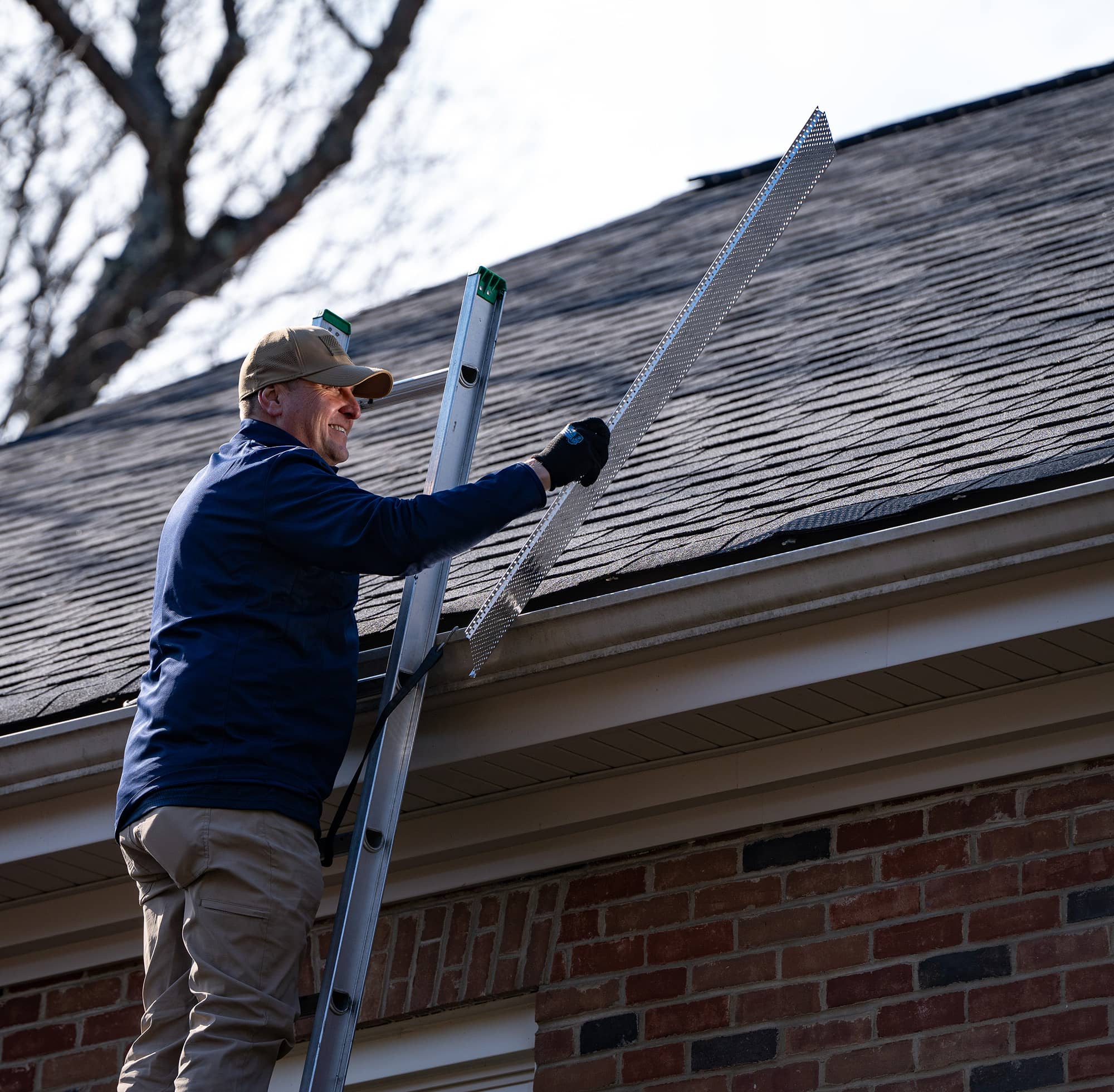
If your gutters look crooked or detached, winter may have left its mark. Ice dams and refreezing water can put immense pressure on gutters, causing them to separate from the fascia or overflow during snowmelt.
Signs to check:
Gutters are critical for protecting your roof and foundation from water intrusion. Damaged or clogged systems are often a red flag that your roof edge took winter damage.
Heavy snow, wind, and ice can degrade shingle performance. In early spring, it’s common to find shingles that are:
Even minor shingle damage can lead to exposed underlayment, which makes your roof more vulnerable to leaks and UV damage in the spring and summer months.
Tip: After a windy storm or heavy snowfall, walk around your property and check for shingle debris in your yard or downspouts.
For more, read: Warning Signs Your Roof Needs Repair: A Homeowner’s Guide
A healthy attic should be dry and well-ventilated. After winter, if you notice:
It's time to inspect your ventilation system. Poor attic ventilation in cold weather leads to moisture buildup, which causes rot, mold, and reduced insulation effectiveness.
Related read: Understanding Roof Ventilation in Cold Weather
If you noticed large icicles or ridges of ice along your roof’s edge, it’s a clear sign that your attic insulation or ventilation wasn’t performing correctly.
Consequences of untreated ice dams:
Ice dams often cause damage in hidden areas first, so an inspection is highly recommended even if you don’t see visible leaks yet.
If your heating system ran constantly this winter, or you noticed inconsistent temperatures between floors, your roof may be leaking warm air.
This is especially common in homes with:
A roof that’s not properly sealed or insulated forces your HVAC to work harder, leading to higher utility bills and premature system wear.
Granules protect your shingles from UV rays and water. After a tough winter, granules may loosen due to expanding ice, scraping snow, or aging. If you notice dark sand-like particles:
This means your shingles are deteriorating, and the waterproofing layer beneath may be exposed.
If you notice parts of your roofline dipping or sagging, your roof may have suffered structural stress this winter.
This could indicate:
Sagging is a serious issue that should be addressed immediately by a professional. Left untreated, it could lead to collapse or full roof replacement.
By the time you see leaks or feel drafts, the damage has likely already happened. A spring roof inspection gives you the chance to identify and fix winter-related issues while they’re still manageable and affordable.
At M.A. Thompson Roofing, we specialize in post-winter roof evaluations and repairs for homeowners in Pittsburgh’s North Hills. Trust us to protect your home with expert inspections and cost-effective repairs, right here in the North Hills.
Schedule your post-winter roof inspection now.
M.A. Thompson Roofing – Quality. Experience. Community. Since 1976.
Roofing problems can be difficult to evaluate without professional guidance. At M.A. Thompson Roofing, we provide expert roofing services to help homeowners understand their options and protect their homes.
When issues go beyond routine maintenance, professional roofing solutions can prevent minor concerns from turning into costly damage.

Contractor ID: PA187186
(412) 487-3337
Info@MATRoofing.com
3804 Gibsonia Road
Gibsonia, PA 15044